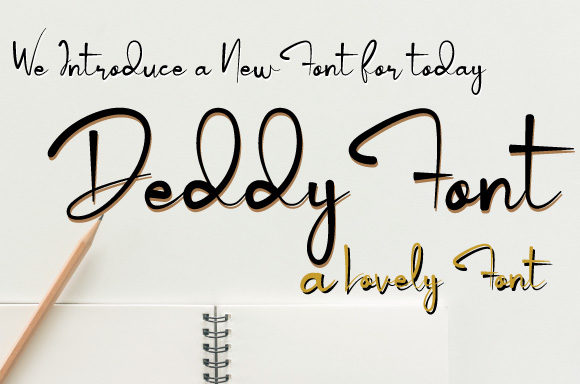
Deddy: A Stylish Handwritten Font
As I sat down to redesign the header for my lifestyle blog, I knew I needed a font that felt personal yet polished. After experimenting with several options, I landed on Deddy—a stylish handwritten font that brought a sense of warmth and creativity to the page. It wasn’t just about aesthetics; it was about creating a reading experience that felt inviting and authentic.
Deddy for Lifestyle Blog Headers and Editorial Branding
Deddy is a stylish handwritten font that adds a unique touch to any editorial project. When used in blog headers, it gives the site a more approachable and human feel. The soft curves and natural flow of the letters make it ideal for content that aims to connect with readers on an emotional level. Whether it’s a post about mindfulness or a guide to seasonal cooking, Deddy helps set the tone without overwhelming the reader.
For editorial branding, Deddy serves as a strong visual anchor. It can be paired with a clean sans serif font for body text, allowing the handwritten style to stand out while maintaining readability. This contrast creates a balanced design that feels both modern and personal. The font’s versatility makes it suitable for everything from newsletter titles to social media graphics, ensuring consistency across all platforms.
How Deddy Enhances Visual Hierarchy and Readability
One of the key strengths of Deddy is its ability to support visual hierarchy. As a display font, it works best for headlines, pull quotes, and section titles. Its expressive strokes draw the eye and help guide the reader through the content. However, it’s important to use it strategically—overusing it in long paragraphs can reduce legibility, especially on screens or in print.
When designing for digital formats, such as websites or PDFs, it’s essential to test Deddy at different sizes and backgrounds. The font holds up well on mobile devices, but pairing it with a complementary serif or sans serif font for body text ensures that the overall layout remains easy to read. For print materials, Deddy’s subtle variations add character without sacrificing clarity, making it a great choice for covers, flyers, and brochures.
Deddy for Recipe Ebooks and Digital Magazines
Creating a recipe ebook requires a font that feels both professional and inviting. Deddy fits this need perfectly. Its elegant yet casual appearance pairs well with food photography and vibrant color schemes, making it ideal for cookbooks, meal plans, or wellness guides. The font’s rhythm and mood contribute to a sense of comfort and inspiration, encouraging readers to engage with the content.
In digital magazines, Deddy can be used for article titles, chapter openers, and decorative accents. Its handwritten quality adds a layer of personality that sets the publication apart from more rigid, corporate designs. By using Deddy sparingly, designers can create a cohesive visual identity that feels both refined and accessible.
Pairing Deddy with Other Fonts for Editorial Balance
While Deddy shines as a display font, it benefits from thoughtful pairing with other typefaces. A classic serif font like Georgia or Garamond can provide a strong foundation for body text, offering a contrast that enhances the readability of longer sections. Alternatively, a clean sans serif like Lato or Open Sans can serve as a modern counterpoint, balancing Deddy’s organic style with a more structured look.
For digital publications, it’s also worth considering how Deddy interacts with other design elements. Its fluidity works well with illustrations, icons, and whitespace, creating a layout that feels dynamic yet organized. When used in newsletters or printable guides, Deddy can add a personal touch without compromising the overall professionalism of the design.
Deddy for Wedding Guides and Creative Workbooks
Wedding guides often require a mix of elegance and practicality. Deddy offers a perfect solution by adding a touch of sophistication to headings, captions, and decorative elements. Whether it’s a checklist for wedding planning or a guide to selecting the right venue, the font brings a sense of thoughtfulness and care to the design.
Creative workbooks, such as those for journaling, productivity, or art projects, also benefit from Deddy’s expressive style. Its handwritten quality makes it ideal for prompts, inspirational quotes, and section titles, helping to create a more engaging and interactive experience. The font’s flexibility allows it to adapt to various layouts, from simple bullet points to more elaborate designs.
Considerations for Commercial Use and Font Licensing
Before using Deddy in commercial projects, it’s important to review the licensing terms. Many fonts come with restrictions on resale, redistribution, or modification, so understanding these details is crucial for creators who plan to use the font in ebooks, templates, or client work. Checking for multilingual support and file formats ensures that the font will function properly across different platforms and devices.
For independent content creators, Deddy offers a way to elevate their brand without breaking the bank. Its stylish appearance and versatility make it a valuable addition to any design toolkit. Whether used in a printable planner, a coaching workbook, or a course PDF, Deddy helps establish a consistent and memorable visual identity.